
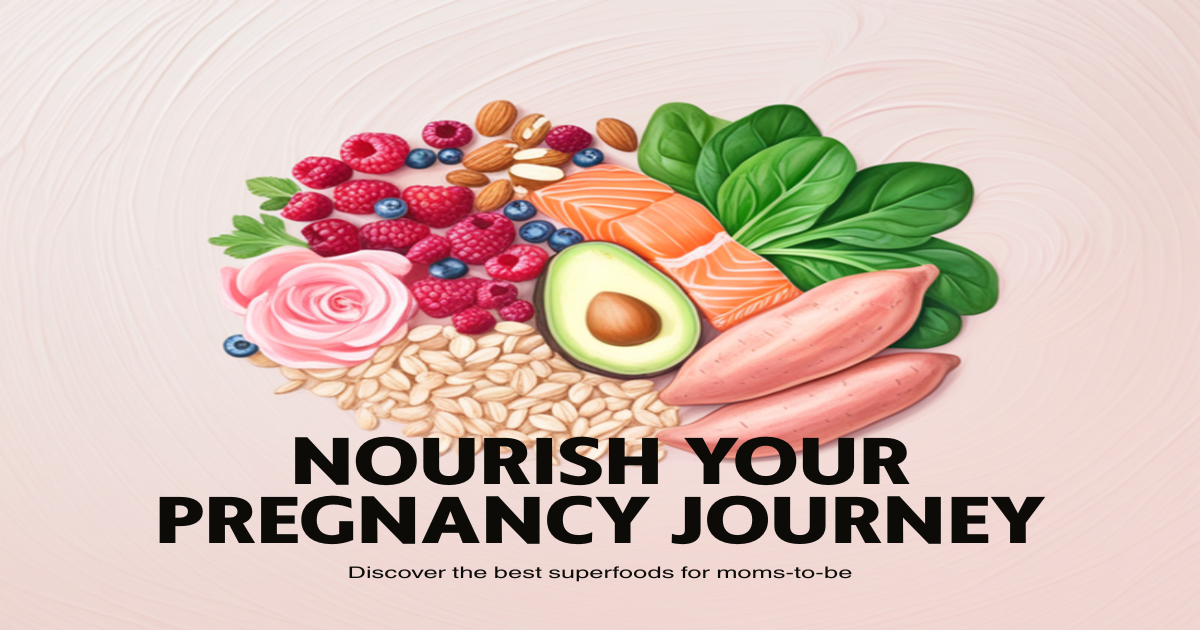
Pregnancy is one of the most nutritionally demanding periods of a woman’s life. Every bite counts, and choosing the right foods can make a remarkable difference in both maternal health and fetal development. While prenatal vitamins provide a safety net, whole foods deliver nutrients in their most bioavailable form, along with fibre, antioxidants, and phytochemicals that supplements simply cannot replicate.
Here are ten superfoods that deserve a regular spot on every expectant mother’s plate — backed by science and easy to incorporate into daily meals, whether cooking at home or dining out.
1. Wild Salmon
Salmon is one of the best dietary sources of DHA (docosahexaenoic acid), an omega-3 fatty acid critical for your baby’s brain and eye development. A single serving provides roughly 1,000 mg of omega-3s — well above the 200–300 mg daily minimum recommended during pregnancy. Salmon also delivers high-quality protein, vitamin D, and selenium.
When dining out, opt for thoroughly cooked salmon preparations. SafeBloom-certified restaurants are trained to prepare fish at the correct internal temperature, eliminating any risk from undercooked seafood.
2. Lentils and Chickpeas
Legumes are nutritional powerhouses for pregnant women. A single cup of cooked lentils delivers about 18 g of protein, 16 g of fibre, 6.6 mg of iron, and a whopping 358 mcg of folate — nearly 90% of the daily requirement. Folate is essential in the first trimester for preventing neural tube defects, but it remains important throughout the entire pregnancy.
Chickpeas offer similar benefits with a milder flavour, making them perfect in salads, soups, and hummus.
3. Spinach and Dark Leafy Greens
Spinach, kale, and Swiss chard are loaded with folate, iron, calcium, vitamin K, and vitamin A. These nutrients support everything from blood cell production to bone development. Dark leafy greens also contain lutein and zeaxanthin, antioxidants that protect your eyes and may benefit your baby’s developing vision.
A simple strategy: add a handful of spinach to smoothies, omelettes, or pasta dishes for a nutrient boost you can barely taste.
4. Sweet Potatoes
The vibrant orange colour of sweet potatoes signals their rich beta-carotene content, which the body converts to vitamin A. This nutrient is vital for your baby’s cell growth, immune function, and vision development. One medium sweet potato provides over 400% of the daily vitamin A requirement, plus 4 g of fibre to support healthy digestion — a common concern during pregnancy.
5. Greek Yoghurt
With roughly double the protein of regular yoghurt and an excellent source of calcium, Greek yoghurt supports your baby’s growing skeleton without depleting your own bone stores. The probiotics in yoghurt also promote healthy gut bacteria, which can help with the digestive changes many women experience during pregnancy.
Choose plain, full-fat varieties and add your own berries and nuts for flavour and extra nutrition.
6. Eggs
Eggs are one of the most affordable and versatile superfoods available. Each egg delivers 6 g of protein and is one of the few dietary sources of choline — a nutrient crucial for brain development and placental function. Most prenatal vitamins don’t contain adequate choline, making eggs especially valuable. The yolk also provides vitamin D, B12, and healthy fats.
Always ensure eggs are fully cooked during pregnancy to eliminate any risk of salmonella.
7. Berries
Blueberries, strawberries, and raspberries pack a powerful antioxidant punch while being naturally low in sugar compared to other fruits. Their high vitamin C content enhances iron absorption from plant-based foods — a critical benefit given how common iron deficiency is during pregnancy. Berries also deliver fibre, potassium, and folate.
Keep frozen berries on hand for smoothies, oatmeal toppings, or a quick snack.
8. Avocados
Rich in monounsaturated fats, avocados support your baby’s brain and tissue development. They are also an excellent source of folate, potassium (more than bananas!), and vitamin K. The healthy fats in avocados help your body absorb fat-soluble vitamins from other foods in the same meal, creating a synergistic nutritional effect.
9. Walnuts and Almonds
Nuts offer a concentrated dose of omega-3s (especially walnuts), protein, fibre, magnesium, and vitamin E. A small handful as a mid-morning snack can stabilise blood sugar levels, reducing the energy crashes that many pregnant women experience. Almonds are particularly rich in calcium, providing about 76 mg per 30 g serving.
10. Quinoa
This ancient grain is a complete protein, containing all nine essential amino acids — a rarity in the plant world. Quinoa also provides iron, magnesium, and fibre, making it an ideal base for meals. It cooks quickly, pairs well with virtually any cuisine, and is naturally gluten-free for those with sensitivities.
Eating Well When Dining Out
Incorporating these superfoods at home is straightforward, but what about when you eat at a restaurant? The challenge lies not just in choosing the right dishes, but in trusting that they’ve been prepared with the safety standards that pregnancy demands. Cross-contamination, improper storage temperatures, and undercooked ingredients are invisible risks that can have serious consequences.
This is exactly why the SafeBloom certification programme exists. Certified restaurants have trained their teams to understand the specific food safety needs of pregnant women — from allergen management to safe cooking temperatures for every protein source.
Next time you’re choosing where to eat, look for the SafeBloom badge or search our directory of certified restaurants. It’s the simplest way to enjoy a worry-free meal while nourishing yourself and your baby with the nutrients you both need.
Are you a restaurant owner committed to food safety excellence? Discover the SafeBloom certification course and position your establishment as a trusted destination for expectant families across Europe.