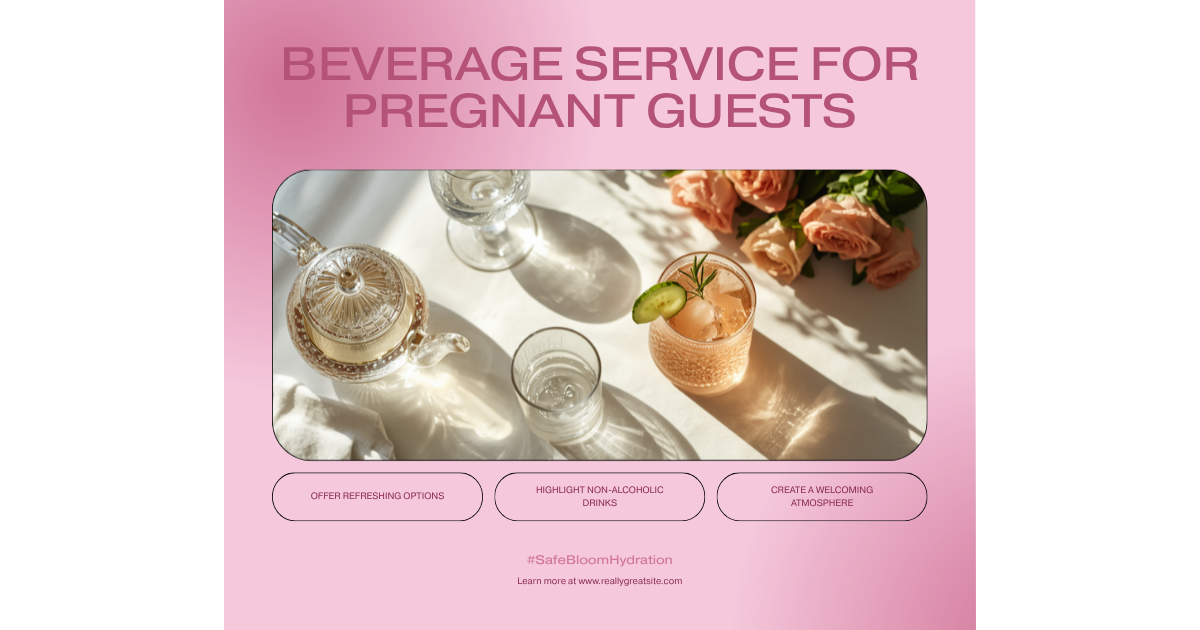
For most diners, beverage choice is a matter of taste. For a pregnant guest, it is a matter of safety. Hydration during pregnancy is one of the most critical — and most overlooked — nutritional needs: blood volume rises by up to 50%, the body needs additional fluids for amniotic fluid production, nutrient transport and prevention of urinary tract infections. At the same time, dozens of common beverages — from a casual herbal tea blend to a wine-reduction sauce — can introduce real risks.
Restaurants that take pregnancy-safe service seriously go beyond removing alcohol from the conversation. They build a thoughtful beverage program that protects guests, supports their well-being, and turns a potentially anxious dining moment into a confident one. Here is what that program looks like.
Why hydration matters more than menu engineering
The European Food Safety Authority (EFSA) recommends approximately 2.3 liters of total fluid intake per day for pregnant women, rising to 2.7 liters during breastfeeding. Dehydration in pregnancy is associated with low amniotic fluid, headaches, preterm contractions and increased risk of UTIs. A restaurant that serves only carbonated soft drinks and sugar-heavy juices is, in effect, providing a meal that works against the guest’s clinical needs.
A pregnancy-safe beverage program treats water as the centerpiece, not the afterthought. It is offered immediately, refilled proactively, and presented with the same care as any other ingredient on the menu.
The four beverage categories every restaurant should master
1. Water service
Tap water in the EU is safe and regulated, but presentation matters. Offer chilled filtered water in a glass carafe and provide a choice between still and sparkling bottled options. For pregnant guests, recommend low-sodium, calcium-rich mineral waters with a fixed residue under 500 mg/L — calcium supports fetal skeletal development, and limiting sodium reduces edema risk in later trimesters.
Train servers to refill water glasses without being asked. A pregnant guest will not always feel comfortable interrupting a meal to ask for more water — proactive service removes that friction.
2. Herbal teas and infusions
This is where most restaurants get it wrong. The default tea selection at a typical European restaurant includes blends with licorice root, sage, fennel, anise, hibiscus or detox/slimming mixes — all of which are contraindicated or restricted in pregnancy. Licorice can raise blood pressure and stimulate contractions; senna and cassia (common in detox blends) are uterine stimulants; concentrated sage and rosemary are emmenagogues.
Build a curated pregnancy-safe section in your tea menu. Safe choices include:
- Ginger — helpful for first-trimester nausea (up to 1 g/day)
- Chamomile — occasional use, calming
- Lemon balm — mild and safe in moderation
- Rooibos — caffeine-free, antioxidant-rich
- Mint — refreshing, helpful for digestion
Always list the full ingredient composition of blends on the menu. If a guest asks “what’s in this?”, the server should answer without consulting the back of house.
3. Caffeine-managed coffee service
EFSA caps caffeine intake in pregnancy at 200 mg per day — roughly two espresso shots. Caffeine crosses the placenta and the fetus cannot metabolize it. A coffee program that supports pregnant guests should make decaffeinated alternatives visible and equal in quality to regular options: not the dusty jar of instant decaf, but a real Swiss Water decaf espresso, a decaf cappuccino made with the same care.
Offer caffeine-free alternatives like barley coffee, chicory or roasted dandelion — common in Italy and France, increasingly appreciated across Europe for their flavor and digestive properties.
4. Mocktails and alcohol-free pairings
There is no safe threshold for alcohol in pregnancy. A pregnancy-safe restaurant treats this as non-negotiable — and also as an opportunity. Build a dedicated mocktail menu, not an afterthought “virgin” version of cocktails. Use pasteurized juices, fresh herbs, quality syrups, alcohol-free spirits (gin, aperitivo and sparkling wine alternatives are now widely available in Europe).
Equally important: train kitchen staff on hidden alcohol in cooked dishes. Wine-reduced sauces, beer-battered fish, tiramisù, zabaione and flambé desserts retain measurable alcohol after cooking. The menu should flag these dishes clearly, and servers should offer modifications proactively.
The five questions every pregnant guest will ask
Train your front-of-house team to answer these without hesitation:
- “What’s in this herbal tea blend?”
- “Is this juice freshly squeezed and from pasteurized fruit?”
- “Does this sauce contain alcohol that hasn’t been cooked off?”
- “Do you have decaffeinated options?”
- “What mocktails do you recommend?”
A confident, accurate answer to each of these turns a hesitant guest into a returning customer — often with friends and family in tow.
Beverage program checklist for pregnancy-safe service
- Water served immediately, refilled proactively, with clear still/sparkling options
- Dedicated pregnancy-safe herbal tea section with full ingredient transparency
- High-quality decaffeinated coffee and caffeine-free alternatives
- Mocktail menu prepared with the same care as the cocktail list
- Menu icons or notes flagging dishes that contain uncooked alcohol
- Staff trained on the 5 most common pregnancy beverage questions
- Pasteurized juices and dairy products only
- Allergen and ingredient information available for every beverage on the menu
Why this is good for business
A pregnant guest rarely dines alone. She brings a partner, family members, and friends — and she chooses the venue. Studies in European hospitality show that the female-led dining decision accounts for over 70% of restaurant choices for family meals. A beverage program designed for pregnancy is also a beverage program designed for designated drivers, parents with young children, recovering alcohol-free guests and the growing low/no-alcohol trend driving European hospitality in 2026.
In short: pregnancy-safe is not a niche. It is a quality signal.
Get certified, get found
The SafeBloom Certified Pregnancy-Safe Restaurant program trains your team on beverage service, kitchen protocols, allergen management and guest communication. Certified restaurants are listed in our European directory of pregnancy-safe restaurants, discovered every day by mothers-to-be and their families across the continent.
Ready to make your beverage program pregnancy-safe? Enroll in the SafeBloom certification course and turn your hospitality into a trusted standard.