Most pregnancy nutrition advice focuses on what to eat. Far less attention goes to something just as important: what to drink. Hydration needs rise significantly during pregnancy, and the beverage list at a restaurant is full of options that are either surprisingly helpful or quietly risky. This guide walks through what to order, what to skip, and why.
Why hydration matters more when you’re pregnant
During pregnancy, blood volume increases by roughly 50%, amniotic fluid needs to be continuously replenished, and the kidneys work harder to filter waste for two. The European Food Safety Authority (EFSA) recommends an additional 300 ml of water per day for pregnant women, bringing the total to about 2.3 litres of fluids daily, including what comes from food.
Mild dehydration in pregnancy is linked to headaches, constipation, urinary tract infections, and, in the third trimester, Braxton Hicks contractions. Staying well hydrated also supports healthy amniotic fluid levels and helps regulate body temperature, which matters because pregnant women overheat more easily.
Restaurant meals tend to be saltier than home cooking, which increases fluid needs further. So the drink you choose alongside your meal is not an afterthought.
The best drinks to order when eating out
Still or sparkling water
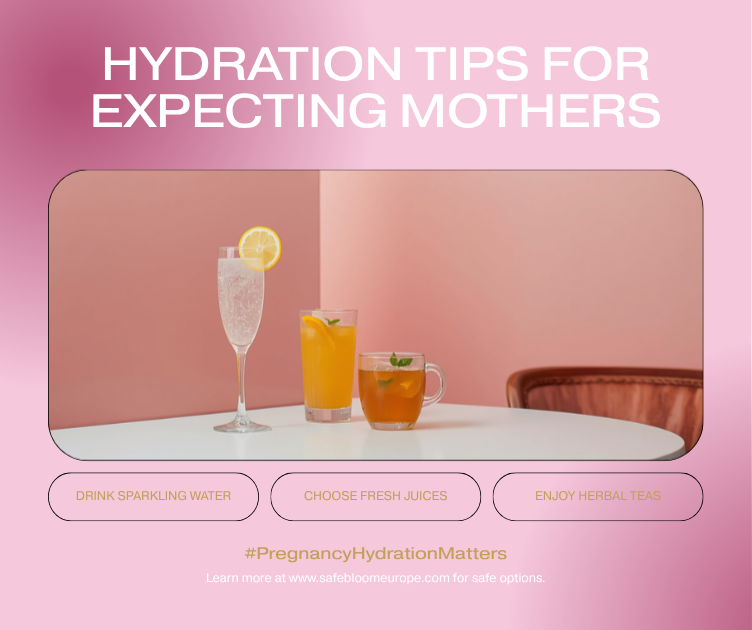
The obvious choice, and still the best. Ask for bottled water or tap water where the local supply is reliable. Sparkling water is perfectly safe in pregnancy and can help with nausea; some women find the bubbles ease queasiness in the first trimester. Add a slice of lemon for flavour and a small vitamin C boost.
Milk and milk-based drinks (pasteurised)
A glass of milk delivers calcium, protein, iodine and vitamin B12, all essential in pregnancy. The key question is pasteurisation. In most European restaurants the milk used is pasteurised or UHT, but it is worth asking, especially in farm-to-table settings or rural areas where raw milk may be served. A café latte made with pasteurised milk is fine; a milkshake made with raw farm milk is not.
Freshly squeezed orange juice
Orange juice is rich in folate and vitamin C, which improves iron absorption from the meal. One caution: some restaurants serve unpasteurised juice pressed hours earlier and stored at room temperature. Ask whether it is squeezed to order. If it is, it’s a good choice. If it has been sitting in a jug, choose something else.
Herbal teas (with care)
Ginger tea is one of the best-studied natural remedies for pregnancy nausea. Peppermint and chamomile in moderate amounts are generally considered safe. Avoid teas containing liquorice root, which has been associated with adverse pregnancy outcomes in larger amounts, and be cautious with unfamiliar herbal blends whose ingredients you cannot identify.
Coconut water
Increasingly common on restaurant menus, coconut water provides potassium and electrolytes and is a good alternative to sugary soft drinks. Choose packaged, pasteurised products when available.
Drinks to limit or avoid
Coffee and caffeinated drinks
Caffeine is not off-limits, but EFSA advises pregnant women to stay below 200 mg per day. A single espresso contains around 60–80 mg; a large filter coffee can reach 150 mg or more; a cola contains about 35–40 mg. If you have already had a coffee at breakfast, a second at lunch may push you over the limit. Also note that caffeine reduces iron absorption when consumed with a meal, so if your dish is iron-rich, it makes sense to wait an hour before ordering coffee.
Alcohol
No amount of alcohol has been established as safe during pregnancy, and most European health authorities recommend avoiding it entirely. Watch out for hidden alcohol in restaurant dishes and drinks: tiramisu, zabaglione, sauces finished with wine, and “mocktails” made with non-alcoholic spirits that may still contain up to 0.5% ABV. If you’d like a festive drink, ask the bartender for a fresh-fruit spritz with soda and no alcohol base.
Unpasteurised juices and smoothies
Raw juices and smoothies made from unwashed produce can carry Listeria, Salmonella or E. coli. This is a particular risk with juice bars and buffets where jugs sit for hours. Freshly squeezed to order is fine; pre-prepared and stored is not.
Energy drinks
These combine high caffeine with taurine, guarana and other stimulants whose effects in pregnancy have not been adequately studied. They are best avoided completely.
Sugary soft drinks
Not dangerous, but a 330 ml can of regular cola contains around 35 grams of sugar, contributing to excessive weight gain and blood sugar spikes. If you want something sweet, a small glass of fruit juice diluted with sparkling water is a better option.
Practical tips for staying hydrated at the table
- Order water first, before looking at the rest of the drinks list. Having a glass in front of you makes it easy to sip throughout the meal.
- Ask about pasteurisation for any milk, cream or juice-based drink. A well-trained server should know; in a SafeBloom certified restaurant, they will.
- Balance salty dishes with extra water. Cured meats, cheese boards and many sauces increase your fluid needs.
- Time your caffeine away from iron-rich meals to protect absorption.
- Watch for signs of dehydration: dark urine, headache, dizziness or feeling unusually tired after eating out are all signals to drink more.
What restaurants can do
For restaurant owners, the beverage list is one of the easiest places to demonstrate pregnancy-awareness. Clearly stating whether juices are freshly pressed, whether milk is pasteurised, and offering a genuinely alcohol-free option beyond soft drinks costs nothing and builds trust. These are exactly the kinds of practical standards covered in the SafeBloom Certified Pregnancy-Safe Restaurant course, and certified venues can use the SafeBloom marketing kit to communicate them to guests.
The bottom line
Hydration is one of the simplest and most overlooked parts of prenatal nutrition. When eating out, water remains the gold standard, pasteurised milk and freshly squeezed juice are valuable additions, and caffeine, alcohol and unpasteurised drinks are the ones to watch. With a few well-placed questions, you can enjoy a full meal out and stay perfectly hydrated.
Looking for a restaurant that already has the answers? Browse the SafeBloom certified restaurant directory or verify a restaurant’s certification before you book.
This article is for general information only and does not replace advice from your doctor or midwife.