Prenatal nutrition advice often focuses on what to avoid. Just as important — and far more empowering — is what to include: enough fluids, balanced plates, and nutrient-dense choices that support both mother and baby. The good news? You can keep all of these habits going when you eat out. Here is a practical guide to hydration and balanced eating during pregnancy, with a special focus on restaurant meals.
Why hydration matters more during pregnancy
Water does quiet but essential work in pregnancy. It builds and replenishes amniotic fluid, supports the roughly 50% increase in maternal blood volume, helps deliver nutrients to the placenta, and reduces the risk of urinary tract infections, constipation and swelling — three of the most common discomforts of the nine months.
European food safety authorities recommend that pregnant women take in about 2.3 litres of fluids per day, from drinks and food combined. That target rises in warm weather, which makes late spring and summer dining a good moment to pay extra attention.
Simple hydration habits that work
Start the day with a glass of water before anything else. Keep a bottle within reach at work and in your bag. At restaurants, order water as soon as you sit down — still or sparkling both count. Herbal infusions, milk and broths contribute too. Water-rich foods such as melon, cucumber, citrus fruit, soups and yogurt can cover up to a fifth of your daily fluid needs.
One useful check: pale-yellow urine generally means you are drinking enough. Dark urine, headaches or persistent tiredness can be early signs you need more fluids.
Building a balanced pregnancy plate
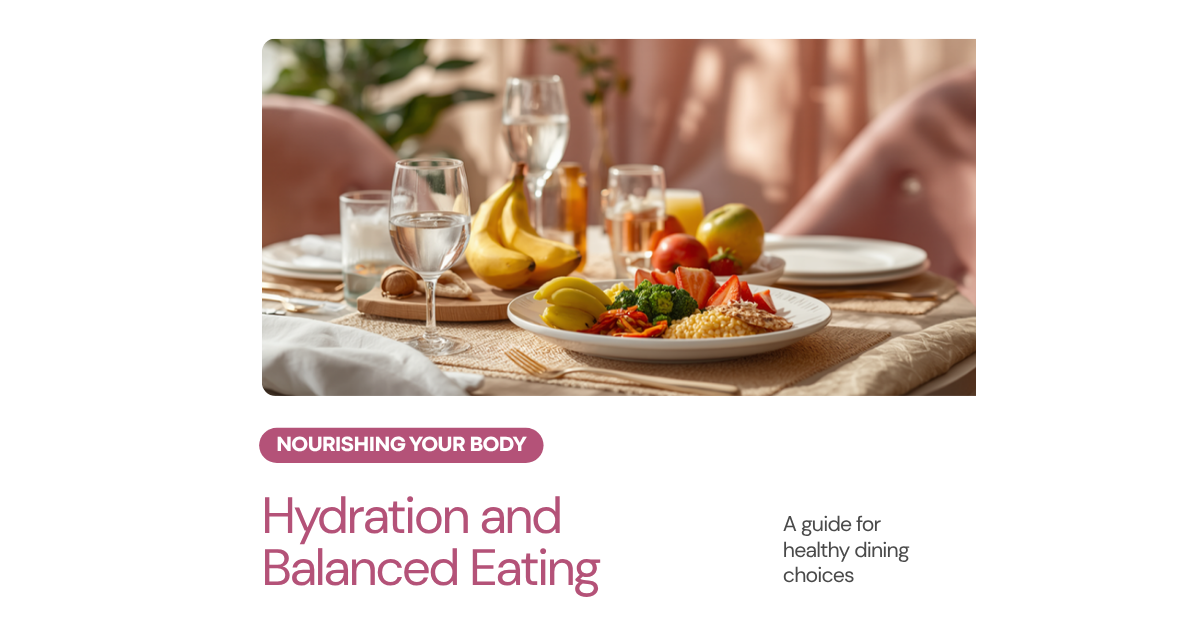
A simple model works at home and on any restaurant menu. Picture your plate in three parts:
Half the plate: vegetables and fruit. Thoroughly washed, or — when dining out — cooked. Grilled, roasted or steamed vegetables are an excellent restaurant choice because heat removes the residual risk of toxoplasmosis and listeria that raw, unwashed produce can carry.
A quarter: quality protein, fully cooked. Well-done meat, thoroughly cooked fish low in mercury (sardines, sea bream, salmon), fully set eggs, or legumes such as lentils and chickpeas. Protein supports the baby’s tissue growth and keeps you satisfied longer.
A quarter: whole grains. Wholegrain bread, pasta, rice or farro provide steady energy and fibre, helping with digestion and blood sugar balance.
Add a source of healthy fat — extra virgin olive oil, a few nuts — and you have a plate that covers folate, iron, calcium, omega-3s and fibre without any calorie counting.
Ordering with confidence at a restaurant
Dining out while pregnant is absolutely compatible with good nutrition — it just requires a few smart questions and choices:
Choose cooked over raw. Skip raw fish, carpaccio, rare meat and runny eggs. Ask for your dish well done; a professional kitchen will never be offended.
Ask about cheeses and cured meats. Hard, aged cheeses and pasteurised dairy are safe choices; unpasteurised soft cheeses and most raw cured meats are not. A well-trained waiter should know which is which.
Mind the dressing. Sauces made with raw egg (classic mayonnaise, some tiramisù) are better avoided unless the restaurant confirms they use pasteurised eggs.
Hydrate throughout the meal. Alternate sips of water with your courses, and consider fruit-based desserts — they hydrate and satisfy at once.
The easiest shortcut: choose a certified restaurant
Every question above becomes unnecessary when the restaurant has already done the work for you. SafeBloom-certified restaurants train their staff on pregnancy-safe food handling: full cooking protocols, pasteurised ingredients, cross-contamination prevention and menus that clearly signal safe choices for expecting mothers.
Before your next dinner out, search our directory of certified restaurants or verify a restaurant’s certification in seconds. Restaurant owners who want to welcome pregnant guests with confidence can explore the SafeBloom certification course — because safe dining should never mean less enjoyable dining.
This article is for informational purposes only and does not replace advice from your doctor, midwife or registered dietitian. Always consult a professional for personalised guidance during pregnancy.