
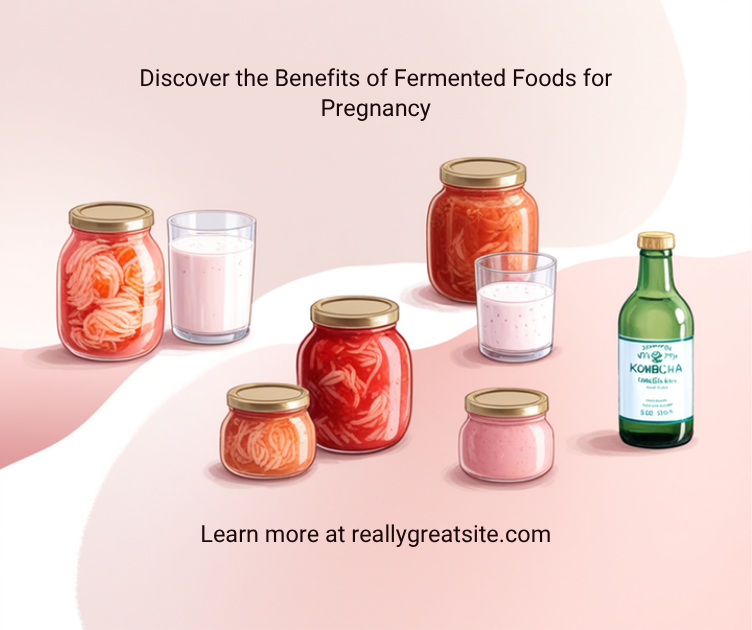
Fermentation is one of the defining food trends of the decade. Restaurants across Europe now brew their own kombucha, serve house kimchi alongside grilled meats, pour kefir-based dressings and build entire tasting menus around koji and miso. For most diners it’s a welcome shift towards bold flavours and gut-friendly foods. But if you’re pregnant, the question is more specific: which fermented foods are safe, and which deserve a second thought?
The answer depends less on “fermented” as a category and more on three factors: whether the product is pasteurised, whether it contains alcohol or caffeine, and how it has been stored. Here’s a practical guide for dining out.
Why fermented foods need a closer look in pregnancy
Fermentation relies on live bacteria and yeasts. The acidity they produce usually makes foods hostile to many pathogens, which is why fermentation has been used to preserve food for millennia. But “usually” is not “always”. Craft and house-made ferments are often unpasteurised, made in small batches and kept in the fridge for weeks – conditions in which Listeria monocytogenes, a bacterium that can grow at refrigeration temperatures, deserves attention.
Pregnancy makes you significantly more susceptible to listeriosis, and the infection can affect the baby even when the mother has only mild symptoms. That’s why the same food can be low-risk for a friend at your table and worth avoiding for you.
Kombucha: the one to skip or strictly limit
Kombucha is fermented sweetened tea, and it raises three separate concerns in pregnancy:
- Alcohol: fermentation naturally produces ethanol. Commercial kombucha is typically sold below 0.5% ABV, but house-brewed versions can be higher and vary from batch to batch. Health authorities advise that no amount of alcohol is known to be safe in pregnancy.
- Caffeine: made from black or green tea, kombucha adds to your daily caffeine total (commonly advised to stay under 200 mg a day).
- Unpasteurised and live: most craft kombucha is raw by design, and home-style brewing has limited microbial control.
Bottom line: most midwives and doctors suggest avoiding kombucha during pregnancy, particularly house-brewed versions. A sparkling water with fresh ginger or a pasteurised shrub is a good alternative.
Kefir and cultured dairy: check the milk
Kefir, yoghurt and cultured cream are generally considered safe in pregnancy when made from pasteurised milk. The key question for your server is simple: “Is the kefir made with pasteurised milk?”
- Safe choice: commercial kefir or yoghurt from pasteurised milk, dressings made with them, lassi from pasteurised yoghurt.
- Avoid: kefir or cultured dairy made from raw (unpasteurised) milk, which some artisan producers and farm-to-table restaurants favour.
Kefir also contains trace alcohol from yeast fermentation, usually very small in commercial products. If you’re unsure, a pasteurised natural yoghurt gives you similar benefits with fewer unknowns.
Kimchi, sauerkraut and fermented vegetables
Fermented vegetables are acidic and generally considered lower-risk than raw dairy or raw fish. However, raw ferments served cold are still ready-to-eat products that are not cooked before serving, and fermented vegetable products have occasionally been linked to foodborne outbreaks.
- Lowest risk: shelf-stable, pasteurised sauerkraut or pickles, and any ferment that is cooked into a hot dish – kimchi jjigae, kimchi fried rice, braised sauerkraut.
- Ask first: house-made, raw, refrigerated ferments. A well-run kitchen will know when the batch was made, how acidic it is and how it’s stored.
A useful rule of thumb: if it’s steaming hot, it’s the safer option.
Miso, soy sauce, koji and fish sauce
These umami staples are typically used as seasonings in cooked dishes and are generally considered safe in pregnancy. Miso soup, soy-glazed vegetables and dishes seasoned with fish sauce are fine. Be mindful of salt – these ingredients are very high in sodium – and check that koji-cured items aren’t actually raw meat or raw fish, a growing trend on modern tasting menus.
What about probiotics?
Fermented foods are often promoted for their probiotic benefits. Research on probiotics in pregnancy is promising in some areas but still evolving, and benefits vary widely between products. There’s no need to seek out risky ferments for their probiotic content: pasteurised yoghurt and kefir, and cooked fermented dishes, are a sensible middle ground. Talk to your midwife or doctor before starting any supplement.
Quick reference for dining out
- Enjoy: pasteurised yoghurt and kefir, miso soup, cooked kimchi dishes, pasteurised pickles and sauerkraut, soy sauce and fish sauce in hot dishes.
- Ask first: house-made raw ferments, kefir dressings, koji-aged items.
- Avoid: kombucha (especially house-brewed), raw-milk kefir or cultured dairy, koji-cured raw fish or meat, “live” fermented drinks of unknown alcohol content.
This article is for information only and does not replace advice from your doctor or midwife.
For restaurants: make your ferments pregnancy-friendly
If fermentation is part of your identity, a few simple steps help pregnant guests order with confidence: record batch dates and pH, use pasteurised milk for cultured dairy, label alcohol-producing drinks clearly, and train front-of-house staff to answer these questions. These are exactly the practices covered in the SafeBloom Certified Pregnancy-Safe Restaurant course.
Find a restaurant that already has the answers
Looking for somewhere to eat where staff understand pregnancy food safety? Browse the SafeBloom certified restaurant directory or verify a restaurant’s certification. Run a restaurant? Discover the SafeBloom certification course and welcome expectant mothers with confidence.