Pregnancy nutrition can feel like an endless list of rules about what to avoid. But there is a more empowering way to look at it: focusing on the foods that actively nourish you and your baby. Instead of thinking only about restrictions, learn to build a plate that delivers steady energy, key micronutrients and real satisfaction. This guide walks through the prenatal “superfoods” worth prioritizing, how to assemble a balanced plate, and why hydration deserves a place at the center of it all.
What “superfood” really means in pregnancy
There is nothing magical about a single ingredient. In pregnancy, a superfood is simply a food that packs a lot of the nutrients you need most, folate, iron, calcium, omega-3s, protein and fiber, into every bite. The goal is nutrient density: getting more value from the food you eat, without needing to eat dramatically more of it. A varied, colorful diet almost always beats any one “miracle” food.
Leafy greens and legumes: folate powerhouses
Dark leafy greens such as spinach, kale and Swiss chard are rich in folate, the nutrient critical for your baby’s neural tube development, along with fiber and antioxidants. Legumes, lentils, chickpeas and beans, add plant protein, iron and slow-release carbohydrates that keep blood sugar stable and hunger at bay. Pair them with a source of vitamin C (a squeeze of lemon, some bell pepper) to boost iron absorption. Always wash raw greens thoroughly to reduce microbiological risk.
Eggs, fish and lean protein: building blocks
Protein supports the growth of your baby’s tissues and your own expanding blood supply. Well-cooked eggs deliver choline, which supports brain development, while thoroughly cooked lower-mercury fish like salmon and sardines supply DHA omega-3s for the baby’s brain and eyes. Choose lean, fully cooked meats and keep portions moderate. Steer clear of raw or undercooked animal products and high-mercury fish such as swordfish and shark.
Dairy and fortified alternatives: calcium on the plate
Pasteurized yogurt and milk, along with fortified plant-based drinks, provide the calcium and vitamin D your baby needs to build bones and teeth, protecting your own reserves in the process. Yogurt with live cultures can also support digestion. One important safety note: choose only pasteurized dairy, and avoid soft cheeses made from unpasteurized milk and blue-veined cheeses, which carry a listeria risk.
Colorful fruits, whole grains and nuts
Berries, citrus and orange-fleshed produce like sweet potato and carrots bring vitamin C, beta-carotene and fiber. Whole grains, oats, brown rice, quinoa, provide steady energy and B vitamins, while a handful of nuts and seeds adds healthy fats, magnesium and extra iron. These foods also help manage the constipation many women experience in pregnancy.
Hydration: the nutrient people forget
Water rarely makes the “superfood” lists, yet it may be the most underrated part of prenatal nutrition. During pregnancy your blood volume rises significantly, and staying well hydrated supports circulation, nutrient delivery to the baby, digestion and temperature regulation. Good hydration also helps ease common complaints like swelling, fatigue and constipation. Aim to sip consistently through the day, and lean on water, milk and diluted fruit-infused water rather than sugary or high-caffeine drinks.
Building a balanced prenatal plate
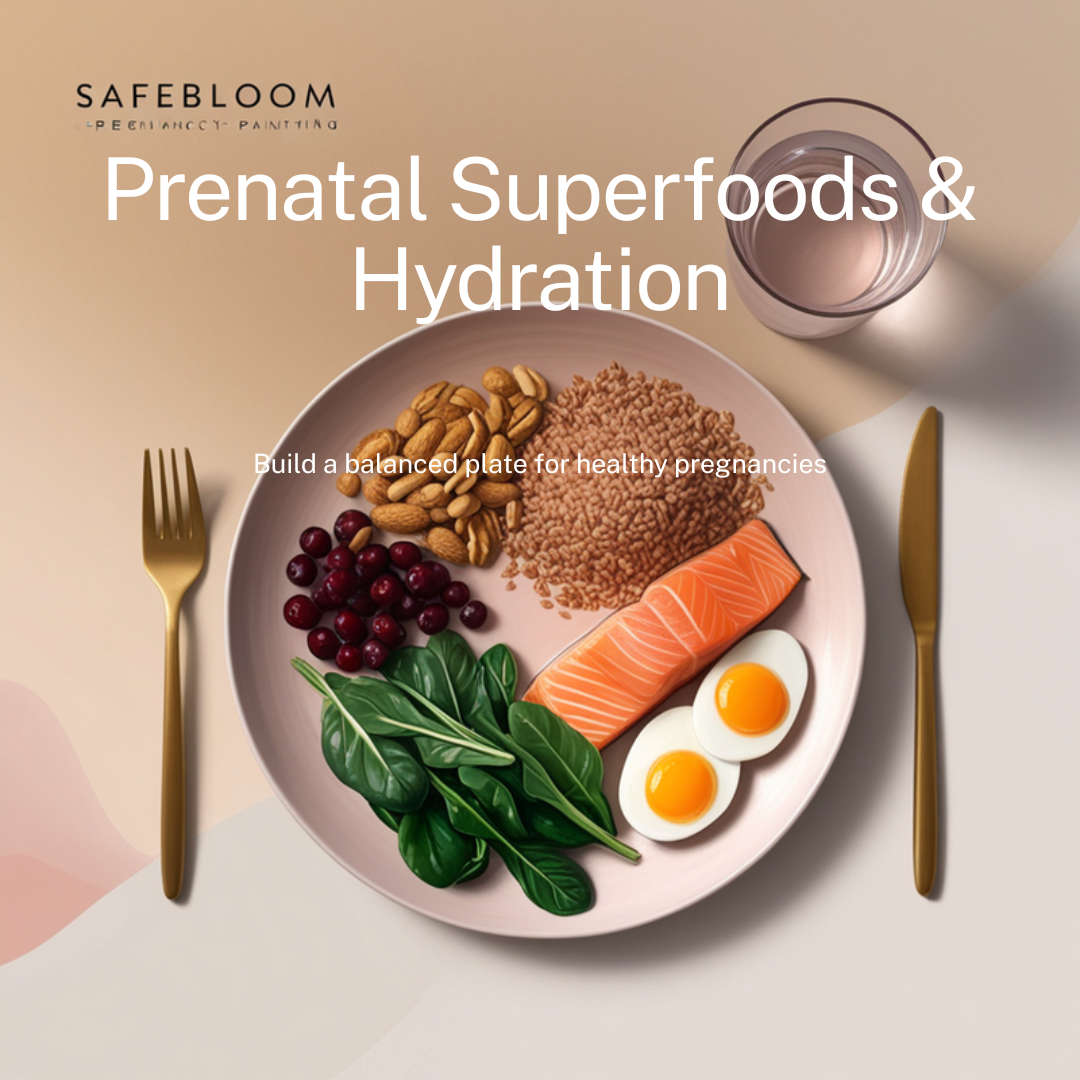
A simple framework makes every meal easier: fill half your plate with vegetables and fruit, a quarter with a well-cooked protein source, and a quarter with whole grains, finished with a little healthy fat. This balance stabilizes energy, curbs nausea-driven cravings and covers most of your micronutrient bases without complicated calculations.
Eating well when you dine out
A balanced plate is achievable in a restaurant too. Look for menus that let you combine a cooked protein, a vegetable side and a whole-grain option, and do not hesitate to ask how a dish is prepared, whether dairy is pasteurized, and how ingredients are stored. In a well-run kitchen, these questions are welcomed rather than seen as a nuisance, exactly the standard that SafeBloom certification is built to guarantee.
Conclusion
Prenatal nutrition does not have to be about fear and forbidden lists. By centering nutrient-dense foods, building a balanced plate and staying hydrated, you give your baby a strong start while keeping meals enjoyable. As always, personalize your plan with your healthcare provider, and choose where you eat with the same care you bring to your kitchen.
Find a SafeBloom-certified restaurant in our directory and dine out with confidence. Run a restaurant? Explore the SafeBloom certification course.