Pregnancy is one of the most nutritionally demanding phases in a woman’s life. Every meal becomes an opportunity to nourish both mother and baby. While supplements play an important role, the foundation of a healthy pregnancy is built on real, nutrient-dense food. In this article we explore the superfoods that deliver the most benefit per bite, and how to enjoy them safely, at home and when dining out.
What makes a food a “prenatal superfood”?
The term “superfood” isn’t about a single magic ingredient. In pregnancy, a superfood is simply a food that packs a high concentration of the nutrients that matter most during gestation, such as folate, iron, calcium, omega-3 fatty acids, protein and fibre, without excess sugar or empty calories. The goal is nutrient density: getting the greatest nutritional return from every meal, which is especially valuable when appetite fluctuates or nausea limits how much you can eat.
Leafy greens and legumes: folate powerhouses
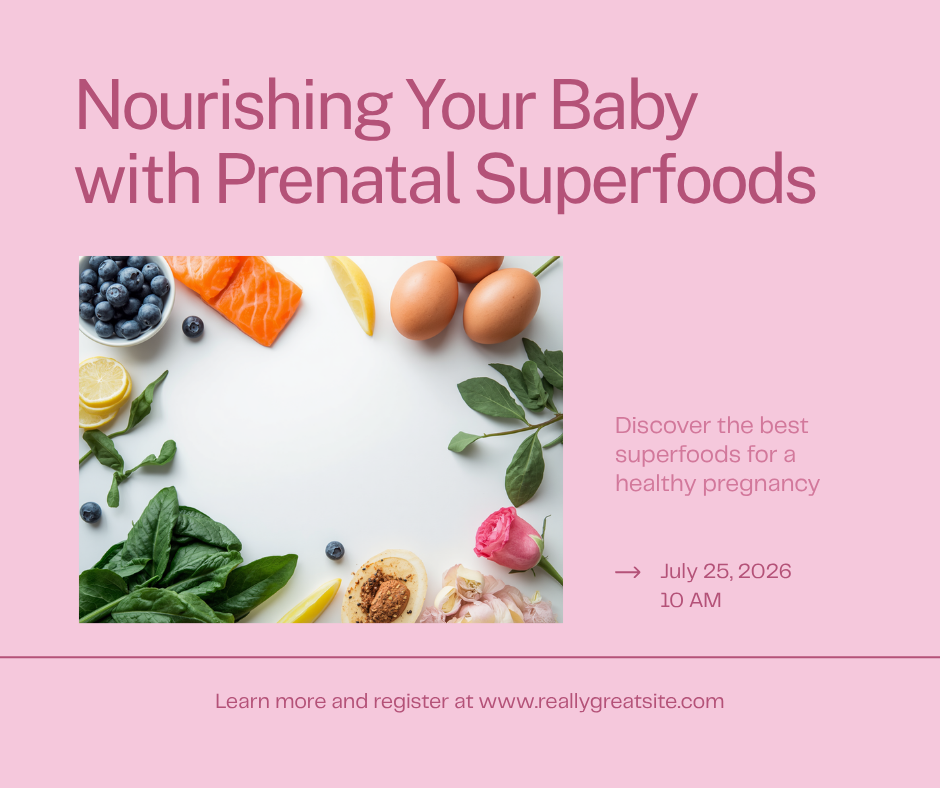
Dark leafy greens such as spinach, kale and rocket are among the richest natural sources of folate, the nutrient essential for your baby’s neural tube development in the first trimester. Lentils, chickpeas and black beans deliver folate too, along with plant-based protein and fibre that help keep digestion regular, a common concern in pregnancy.
A simple lentil stew or a spinach-rich salad (thoroughly washed) covers several needs at once. Pair legumes with a vitamin C source like tomatoes or peppers to boost iron absorption.
Eggs and lean protein: building blocks for growth
Fully cooked eggs are a nutritional all-rounder, offering high-quality protein and choline, a nutrient that supports your baby’s brain and memory development. Lean poultry and well-cooked red meat provide easily absorbed heme iron and protein needed for the rapid growth of tissues and blood volume.
The key word in pregnancy is “cooked”. Runny yolks, rare meat and undercooked poultry carry a risk of salmonella and other pathogens, so make sure everything is thoroughly heated through.
Fatty fish: brain-building omega-3s
Oily fish such as salmon, sardines and mackerel are the best dietary source of DHA, an omega-3 fatty acid crucial for your baby’s brain and eye development. Aim for two to three portions per week of low-mercury fish, always well cooked. Avoid high-mercury species like swordfish, marlin and shark, and steer clear of raw fish such as sushi or ceviche.
If you follow a plant-based diet, chia seeds, walnuts and flaxseed offer plant omega-3s, and an algae-based DHA supplement can help bridge the gap.
Dairy and fortified alternatives: calcium for strong bones
Pasteurised yoghurt, hard cheeses and milk supply the calcium your baby needs to build a healthy skeleton, plus protein and, often, added vitamin D. Yoghurt also contains beneficial probiotics that support gut health. Remember to avoid unpasteurised and soft mould-ripened cheeses, which can harbour listeria.
Berries and colourful produce: antioxidants and hydration
Blueberries, strawberries and oranges deliver vitamin C, antioxidants and natural hydration with relatively little sugar. Vitamin C strengthens your immune system and dramatically improves iron absorption from plant foods. Bright orange vegetables like sweet potato and carrots add beta-carotene, which the body converts into vitamin A, important for your baby’s vision and immune development.
Enjoying superfoods safely when eating out
Building a nutrient-rich plate is straightforward at home, but restaurants require a little more care. Choose dishes with cooked vegetables, thoroughly cooked proteins and whole grains. Ask how items are prepared, and don’t hesitate to request that meat or fish be cooked through. Avoid raw or lightly cured items and unpasteurised dairy.
This is exactly where SafeBloom makes a difference. SafeBloom-certified restaurants follow strict protocols for cooking, storage and allergen management, so expectant mothers can focus on flavour and nourishment rather than worry.
Consistency beats perfection
No single food will transform your pregnancy, and no occasional treat will ruin it. What matters is variety and consistency: a colourful plate combining greens, quality protein, healthy fats and whole grains covers the vast majority of your nutritional needs. Listen to your body, follow your healthcare provider’s advice and stay well hydrated.
Want to dine out with complete peace of mind during pregnancy? Find a SafeBloom-certified restaurant in our directory and discover venues that put your safety first.