Pregnancy cravings, aversions, nausea, a shifting appetite — building healthy meals while your body is changing week by week is rarely simple. The good news is that eating well during pregnancy doesn’t require exotic ingredients or rigid rules. It comes down to a few practical habits that make each meal count. Here’s a realistic, trimester-by-trimester approach to planning meals that nourish both you and your baby.
The plate method: your daily foundation
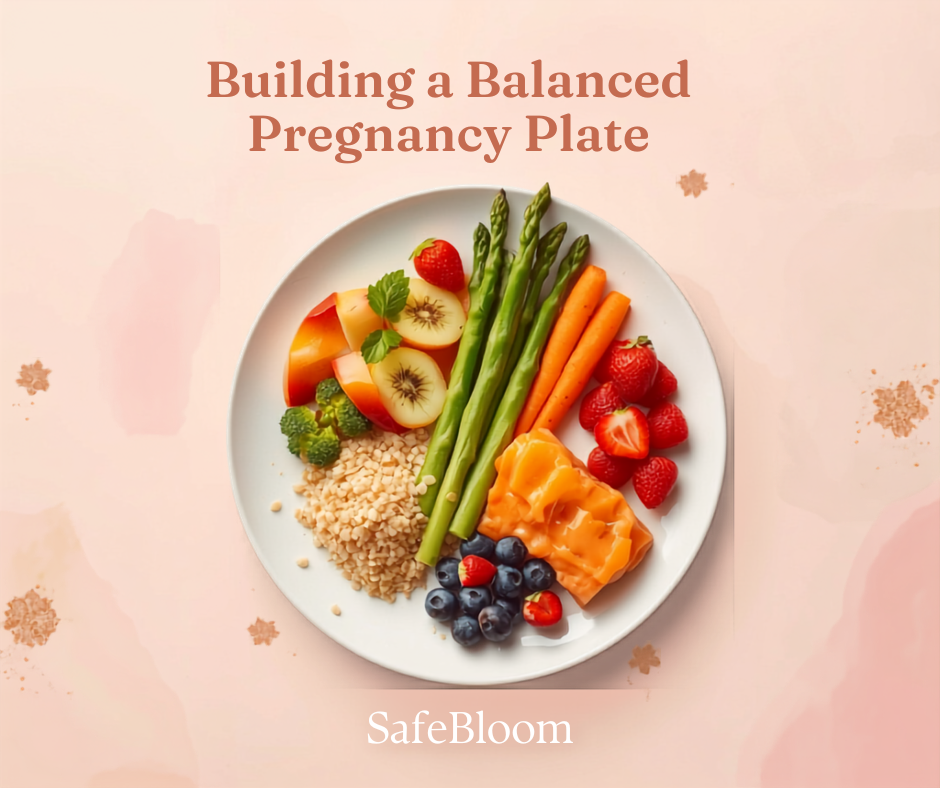
Instead of counting calories or grams, picture your plate divided into sections. Fill half with vegetables and fruit in a range of colors, one quarter with a quality protein that’s fully cooked, and one quarter with whole grains such as brown rice, oats, quinoa or wholemeal bread. Add a source of healthy fat — olive oil, avocado, nuts or seeds. This simple visual keeps every meal balanced in fiber, micronutrients and slow-release energy, without any math.
The colors matter more than you might think. Orange and yellow produce (carrots, sweet potato, peppers) delivers beta-carotene; dark leafy greens provide folate and iron; berries and citrus add vitamin C, which helps your body absorb the iron from plant foods. Variety on the plate is the easiest way to cover a wide micronutrient base.
Eating through the trimesters
First trimester: work around the nausea
When morning sickness hits, “eat a balanced meal” can feel impossible. Focus instead on small, frequent snacks and foods you can keep down. Dry crackers, toast, bananas and ginger tea are classic settlers. Keep hydrated with sips throughout the day rather than large glasses. This is also the window when folate matters most, so lean on fortified cereals, leafy greens and legumes whenever your appetite allows, and take the folic acid supplement your doctor recommends.
Second trimester: build steady habits
As nausea often eases, this is the time to establish a rhythm of three balanced meals plus two snacks. Your baby is growing quickly and your iron and calcium needs climb. Pair iron-rich foods (lean red meat, lentils, spinach) with vitamin C to boost absorption, and include calcium sources like pasteurized dairy, fortified plant milks and almonds. Aim for consistency rather than perfection.
Third trimester: smaller, denser meals
As your baby takes up more space, large meals can feel uncomfortable and trigger heartburn. Smaller, nutrient-dense portions eaten more frequently work better. This is also the peak period for DHA, an omega-3 fatty acid vital for brain and eye development. Choose low-mercury fish such as salmon, sardines and trout, always well cooked, or plant sources like walnuts and flaxseed if you don’t eat fish.
Smart meal-prep habits
A little planning removes the pressure of deciding what to eat when you’re tired or nauseous. Batch-cook grains and roasted vegetables at the start of the week. Keep pre-washed greens, hard-boiled eggs (fully cooked), and portioned nuts ready to grab. Freeze single servings of soups and stews for days when cooking feels like too much. Having safe, balanced options within reach makes it far less tempting to skip a meal or reach for something less nourishing.
Foods to keep off the plate
Balanced nutrition also means knowing what to avoid. Steer clear of unpasteurized dairy and soft cheeses, raw or undercooked meat and fish, raw eggs, high-mercury fish (swordfish, shark, marlin), pâté, and unwashed produce — all of which carry a higher risk of listeria, toxoplasma or mercury exposure. When in doubt, cook it thoroughly and wash it well.
Staying on track when you eat out
Restaurants are part of life, and pregnancy shouldn’t mean skipping them. Look for dishes built around cooked vegetables, fully cooked proteins and whole grains, and don’t hesitate to ask for modifications. The harder question is always food safety — whether ingredients have been stored, handled and cooked to standards that protect a pregnant guest. That’s the gap SafeBloom certification closes, verifying that restaurants follow protocols designed specifically with expectant mothers in mind.
The takeaway
Good pregnancy nutrition isn’t about a single miracle food — it’s about balanced, colorful plates, safe choices and habits that adapt to how you feel each trimester. Keep it simple, keep it varied, and lean on your healthcare provider for supplement guidance tailored to you.
Want to dine out with confidence? Browse the SafeBloom-certified restaurant directory to find places where every dish is prepared to the highest pregnancy-safety standards. Run a restaurant? Learn how to welcome expectant guests with confidence through the SafeBloom certification course.