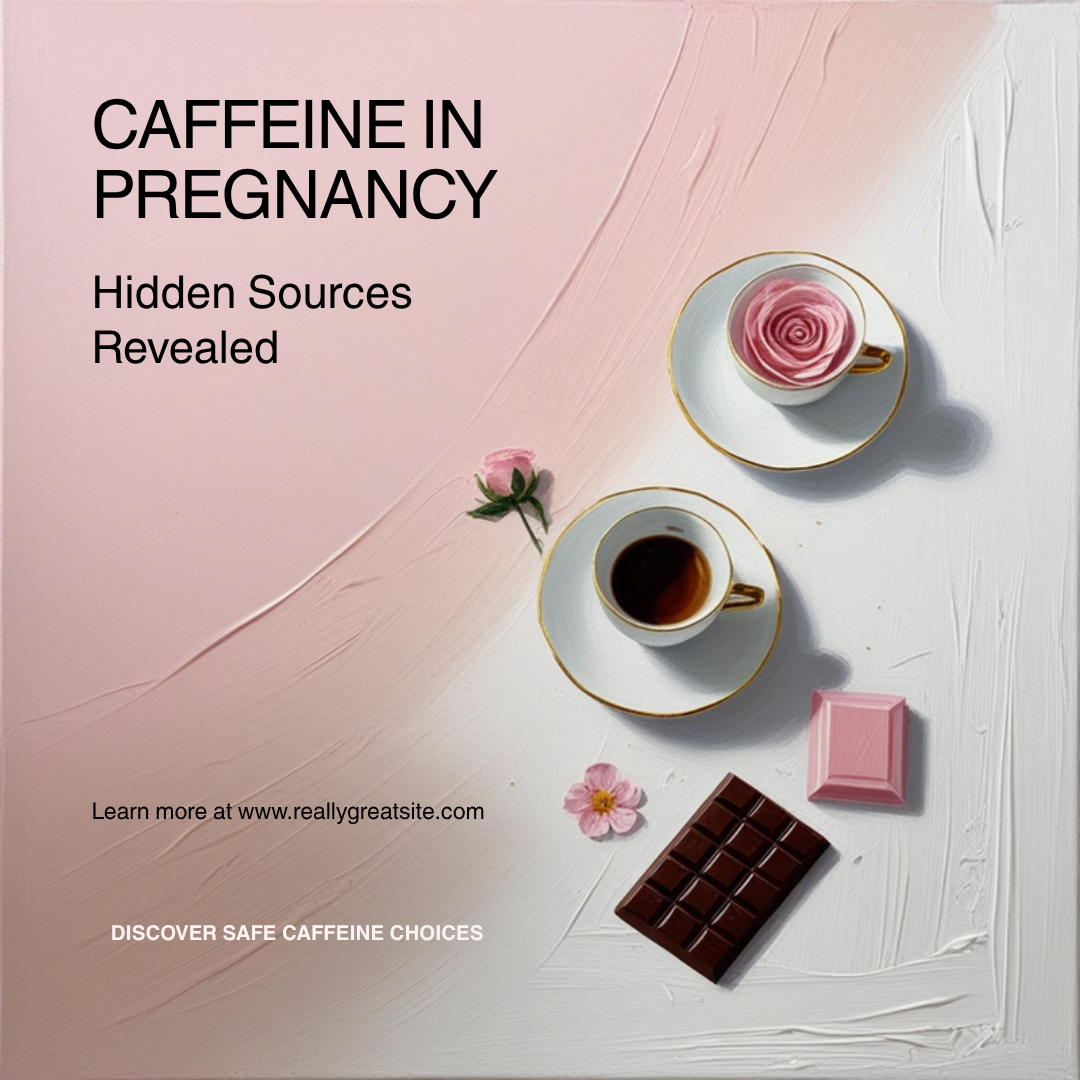
Coffee is often the first thing pregnant women worry about when they sit down in a café. The good news is that you rarely need to give it up completely. The less obvious news is that caffeine hides in more places than the cup. Here is how to read a menu with the numbers in mind.
The guideline: 200 mg a day, all sources combined
In its 2015 scientific opinion on caffeine, the European Food Safety Authority (EFSA) concluded that caffeine intakes of up to 200 mg per day, spread throughout the day, do not raise safety concerns for pregnant women. The UK’s NHS gives the same 200 mg daily limit and stresses that it covers every source, not just coffee.
Caffeine crosses the placenta and an unborn baby clears it far more slowly than an adult, which is why a ceiling exists. It is a cap, not a target. If you have specific concerns, your midwife or doctor is the right person to ask.
Where the milligrams come from
Using the NHS’s approximate figures:
- a mug of filter coffee: about 140 mg;
- a mug of instant coffee: about 100 mg;
- a mug of tea: about 75 mg;
- a can of cola: about 40 mg;
- a can of energy drink: about 80 mg, and these contain other stimulants, so they are best avoided in pregnancy;
- 50 g of plain chocolate: about 25 mg.
Espresso is harder to pin down. A single shot usually contains less than a large mug of filter coffee, but blend, dose and cup size all change the figure, so treat it as a range rather than an exact number. Decaffeinated coffee is not caffeine-free either; it contains small amounts.
How the day adds up
A cappuccino with breakfast, a cup of tea in the afternoon and a square of dark chocolate after dinner sits comfortably under the limit for most people. Trouble starts when a large filter coffee, a second latte, a cola and a chocolate dessert all land on the same day. A simple habit helps: decide on one or two coffees, then switch to water, decaf or a caffeine-free alternative.
Ordering in cafés and restaurants
At the café
Ask for a small cup or a single shot, and consider decaf for the second round. Check that milk-based drinks use pasteurised milk, which is standard in most European cafés but worth a quick confirmation. Chicory or barley-based hot drinks are naturally caffeine-free if you want something warm and coffee-like.
After dinner
The after-meal espresso is where the daily total quietly creeps up, especially after a coffee-soaked dessert. Tiramisù combines two issues: caffeine from the coffee and, in classic recipes, raw eggs. Our guides on eggs in restaurants explain the egg question. Asking whether the dessert is made with pasteurised eggs, and how much coffee soaks the base, takes ten seconds.
Tea and herbal infusions
Tea, including green tea, counts toward your 200 mg. Herbal infusions are not all equal in pregnancy, so if you are unsure about a specific herb, ask for the ingredients and check with your healthcare provider.
Why the label “decaf” deserves a second look
Decaf is a sensible swap, but it is not a licence to drink unlimited cups. A few cups of decaf add only a small amount, yet if you drink many alongside regular coffee and tea, the total can still creep up. Counting everything once, in the morning, is easier than worrying all day.
Questions worth asking the waiter
Keep it simple: What size is the cup? Do you have decaf, and is it a proper decaf? Does this dessert contain coffee or cocoa? Is the milk pasteurised? A well-trained team answers without hesitation, which is a reassuring sign in itself.
When to go lower
200 mg is a general guideline. If you struggle with nausea, reflux or sleep, or your doctor has given you different advice, cutting back further is perfectly reasonable. A small decaf or a barley coffee is an ordinary choice, nothing to apologise for.
For restaurant owners
Small changes make a difference: mark caffeinated drinks on the menu, offer decaf and caffeine-free options, disclose whether desserts contain coffee, cocoa or raw egg, and make sure staff can answer confidently. The SafeBloom certification is a training mark: an 8-hour online course with a final exam that prepares your team for questions like these. It is training, not a sanitary inspection.
Sources
EFSA, Scientific Opinion on the Safety of Caffeine (2015); NHS guidance on caffeine and pregnancy. This article is for general information and does not replace medical advice.
Next steps
Looking for somewhere to eat with confidence? Try our Restaurant Finder and read about our method. Run a restaurant? See the page for restaurants and the SafeBloom certification course.