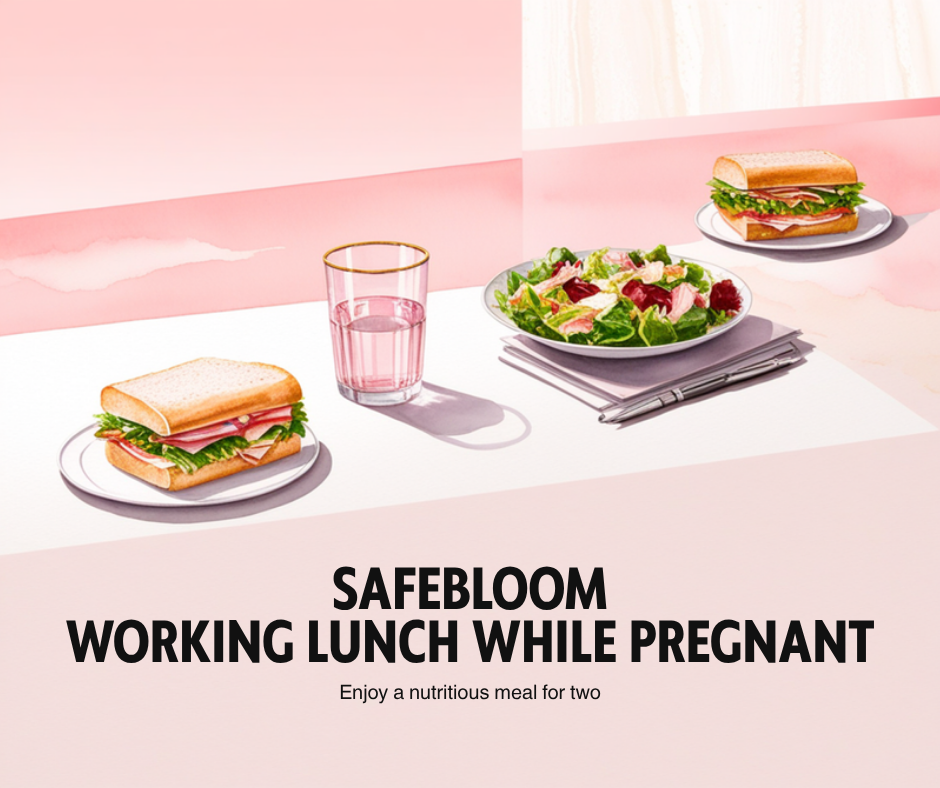
A working lunch is rarely a long, relaxed meal. It is a sandwich between meetings, a salad from the deli counter, or a bowl grabbed from a salad bar. During pregnancy these quick, ready-to-eat options deserve a closer look. Here is a practical guide, drawing on NHS, ECDC and EFSA guidance, to choosing a safe lunch when time is short.
Why ready-to-eat lunches need extra care
According to the NHS and ECDC, Listeria monocytogenes can grow at fridge temperatures and is most often a concern in ready-to-eat chilled foods kept for a long time. Pregnancy makes listeriosis more important to avoid, even though it remains uncommon. Cooked-hot foods served immediately are generally the lowest-risk option; cold, pre-prepared items depend heavily on how well the cold chain has been kept.
Sandwich shops and deli counters
Deli counters are a good example of a place where a few questions pay off. Safer choices usually include:
- Sandwiches filled with cooked chicken, cooked ham, tinned tuna, hard-boiled egg or grilled vegetables.
- Hard cheeses and cheeses made from pasteurised milk.
- Toasted or freshly grilled options served hot.
Things to skip or to ask about first: cured or uncooked deli meats and pâté, soft mould-ripened cheeses and soft blue cheeses, smoked salmon, and any filling bound with raw-egg mayonnaise or homemade dressings. Pre-packed sandwiches with a clear use-by date and a visible chilled display are easier to judge than loose items left out.
Salad bars: what to look at before you serve yourself
Salad bars combine raw produce, shared utensils and many people. Before choosing, look for:
- Ingredients kept on ice or in a chilled well, not at room temperature.
- A separate serving utensil for each tray.
- Cooked components (grains, legumes, roasted vegetables, hard-boiled eggs) that look fresh and are kept cold.
- Staff who can tell you whether produce has been washed on site.
If anything looks warm, dry at the edges, or has been sitting out, choose a hot dish instead. Pre-cut melon and sprouts are worth leaving out of the bowl.
Packed lunches from home
Preparing your own lunch gives you the most control. Cook meat and fish through, cool leftovers quickly in shallow containers, and keep them in the fridge at 5°C or below (many food-safety guides recommend 4°C). Use an insulated bag with an ice pack if you commute, eat within 24 to 48 hours of cooking, and reheat only once until steaming hot all the way through.
Office fridges and microwaves
Shared fridges are opened constantly and rarely monitored. Use a lidded container, label it with the date, store it away from raw food, and discard anything of doubtful age. In the microwave, stir halfway and let the food stand a minute so heat spreads evenly.
Staying nourished at your desk
A balanced lunch pairs well-cooked protein with whole grains and vegetables, plus water through the day. If you drink coffee, EFSA’s safe-intake guidance for pregnancy is about 200 mg of caffeine a day from all sources. For personal dietary advice, speak to your doctor or midwife; this article is informational only.
For restaurateurs and caterers: lunch trade done right
Lunch service is where speed and safety pull in opposite directions. Clear labels for cooked versus raw items, pasteurised-dairy information, allergen signage, temperature checks on cold displays and trained front-of-house staff all help pregnant guests choose with confidence. SafeBloom certification is a training mark: an 8-hour online course and a 15-question final exam, valid for 12 months. It is not a sanitary inspection, so day-to-day application of the procedures remains the venue’s responsibility.
Key takeaways
Choose cooked and hot where you can, check how cold items are stored, and do not hesitate to ask a quick question at the counter. A confident, short conversation is often all it takes to turn a rushed lunch into a safe one.
Ready to find a venue that takes pregnancy seriously? Try the Restaurant Finder (note that certified restaurants are still few, mainly around Naples, and other listings are unverified) and read our method. Restaurant owners can explore the restaurant page and the SafeBloom certification course.